10 Board Games for Mixed-Experience Game Nights
A #10-to-#1 shortlist that starts with easy social play and builds toward a deeper strategic centerpiece.
A mixed-experience game night needs more than a famous box. The best choice fits the number of players, the time available, and how much explanation the newest person wants. We ranked ten current, manufacturer-documented games by the role each can play at the table—not by changing prices, marketplace ratings, or unsupported popularity claims.
For more hobby ideas, browse Collectibles & Games or return to the Insider Shopper homepage.
Quick picks
Short on time? Start with the final three picks, then use the midpoint comparison for all ten.
- #3: 7 Wonders
- #2: Wingspan
- #1: Terraforming Mars
.webp)
#10: Codenames
Best for: Larger groups that enjoy team wordplay.
Two spymasters give one-word clues while their teams try to identify the correct agents.
- Why it earns a place: It fills a distinct role in a group whose players may have different comfort levels with modern games.
- Consider first: Its team format works best when the group is comfortable discussing clues out loud.
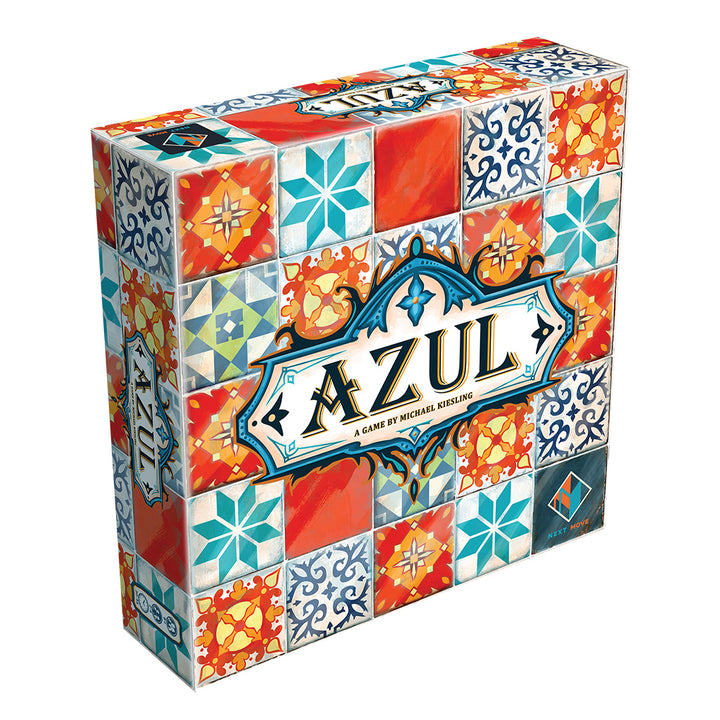
#9: Azul
Best for: Mixed-experience groups that like visual puzzles.
Players claim colorful tiles and arrange them on individual boards while watching what rivals may take next.
- Why it earns a place: It fills a distinct role in a group whose players may have different comfort levels with modern games.
- Consider first: The scoring rewards planning, so the first round can take a little explanation.

#8: Cascadia
Best for: Players who prefer a calm spatial puzzle.
Each turn adds a habitat tile and wildlife token to a growing Pacific Northwest ecosystem.
- Why it earns a place: It fills a distinct role in a group whose players may have different comfort levels with modern games.
- Consider first: Most decisions happen on personal layouts, so direct confrontation is limited.
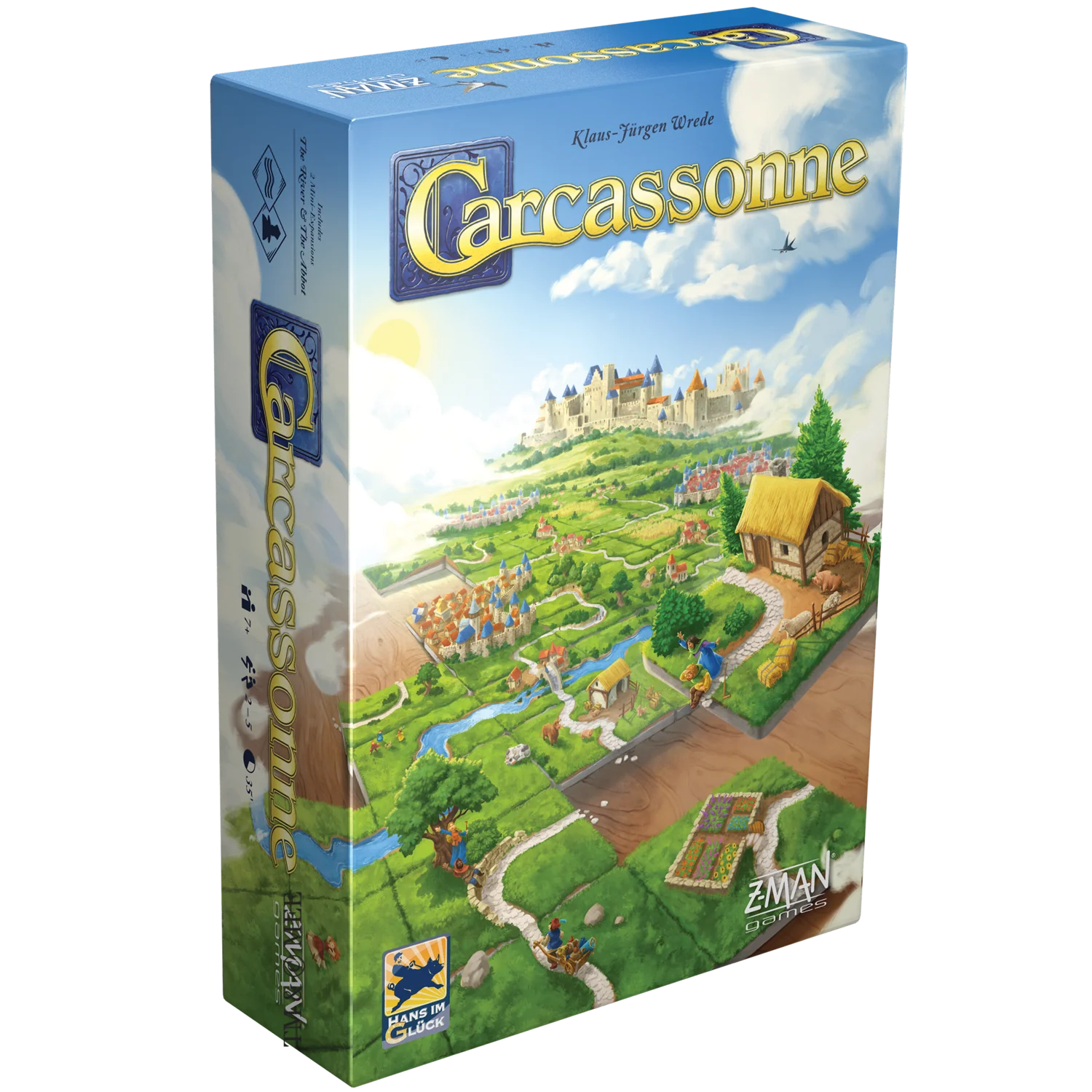
#7: Carcassonne
Best for: Families that want an approachable tile-laying game.
Players build a shared medieval landscape and place followers on cities, roads, monasteries, and fields.
- Why it earns a place: It fills a distinct role in a group whose players may have different comfort levels with modern games.
- Consider first: Follower timing and feature ownership create more interaction than the simple turn structure suggests.
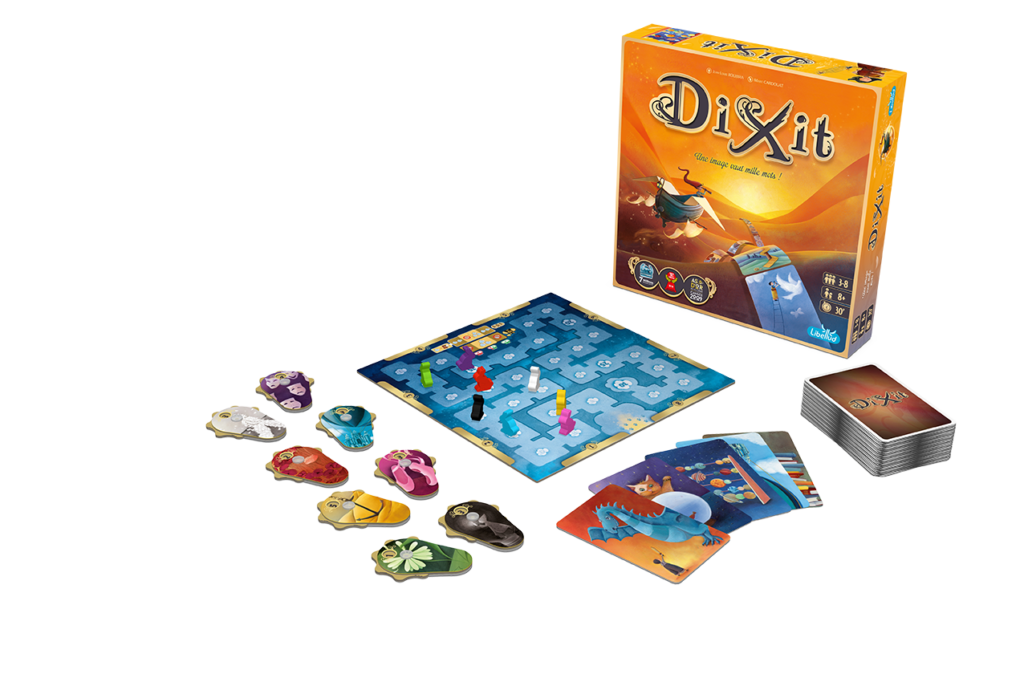
#6: Dixit
Best for: Creative groups that enjoy storytelling and interpretation.
A storyteller gives a clue inspired by an illustrated card, and the group tries to identify it among decoys.
- Why it earns a place: It fills a distinct role in a group whose players may have different comfort levels with modern games.
- Consider first: It depends more on imagination and knowing the group than on conventional strategy.
Quick comparison: all 10 game-night picks
Use this midpoint view to match the table size, preferred interaction, and learning appetite of your group.
| Rank | Game | Best fit |
|---|---|---|
| #10 | Codenames | larger groups that enjoy team wordplay |
| #9 | Azul | mixed-experience groups that like visual puzzles |
| #8 | Cascadia | players who prefer a calm spatial puzzle |
| #7 | Carcassonne | families that want an approachable tile-laying game |
| #6 | Dixit | creative groups that enjoy storytelling and interpretation |
| #5 | Pandemic | groups that want everyone working toward one goal |
| #4 | Splendor | groups that want concise turns and an engine-building arc |
| #3 | 7 Wonders | three to seven players who dislike long waits between turns |
| #2 | Wingspan | groups ready for a medium-weight card-driven game |
| #1 | Terraforming Mars | experienced groups that want a longer strategic centerpiece |

#5: Pandemic
Best for: Groups that want everyone working toward one goal.
Players combine distinct roles and coordinate actions in a fully cooperative challenge.
- Why it earns a place: It fills a distinct role in a group whose players may have different comfort levels with modern games.
- Consider first: Shared planning can let one confident player dominate unless everyone gets room to contribute.
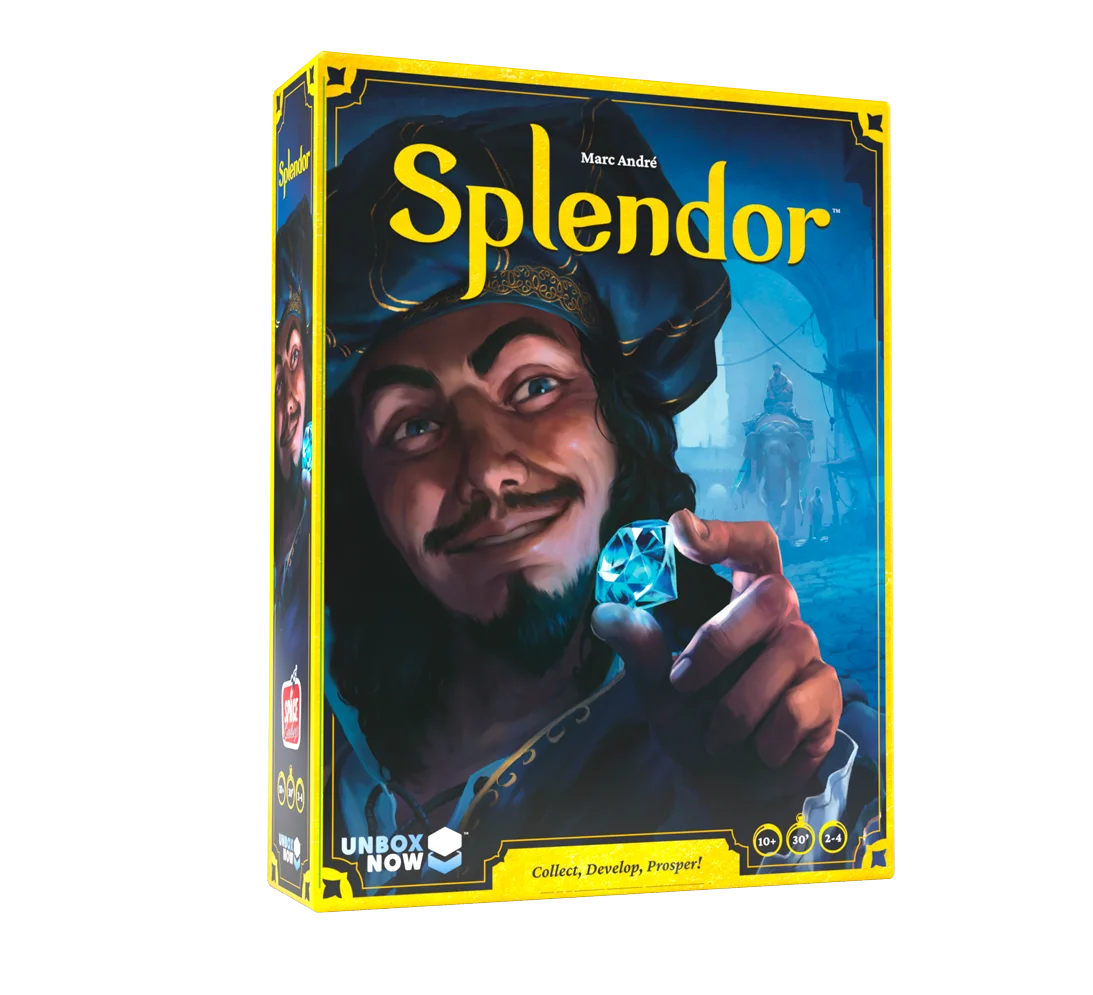
#4: Splendor
Best for: Groups that want concise turns and an engine-building arc.
Players collect gem tokens and acquire developments that reduce the cost of later purchases.
- Why it earns a place: It fills a distinct role in a group whose players may have different comfort levels with modern games.
- Consider first: Its theme is light; the appeal is mostly in efficient resource choices.
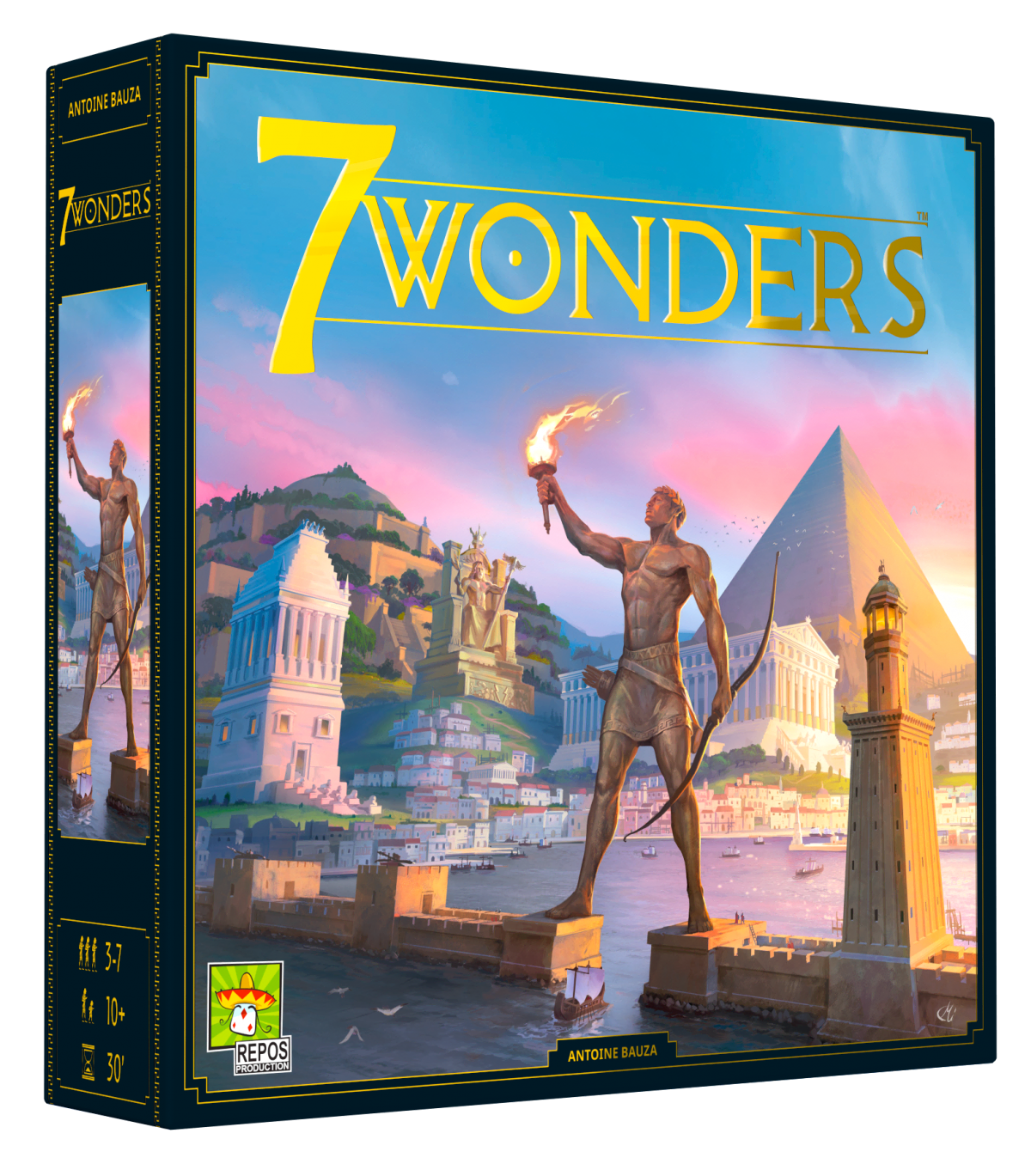
#3: 7 Wonders
Best for: Three to seven players who dislike long waits between turns.
Players choose cards simultaneously across three Ages to develop different parts of an ancient city.
- Why it earns a place: It fills a distinct role in a group whose players may have different comfort levels with modern games.
- Consider first: The icon language is efficient after learning it, but first-time players need a guided opening round.
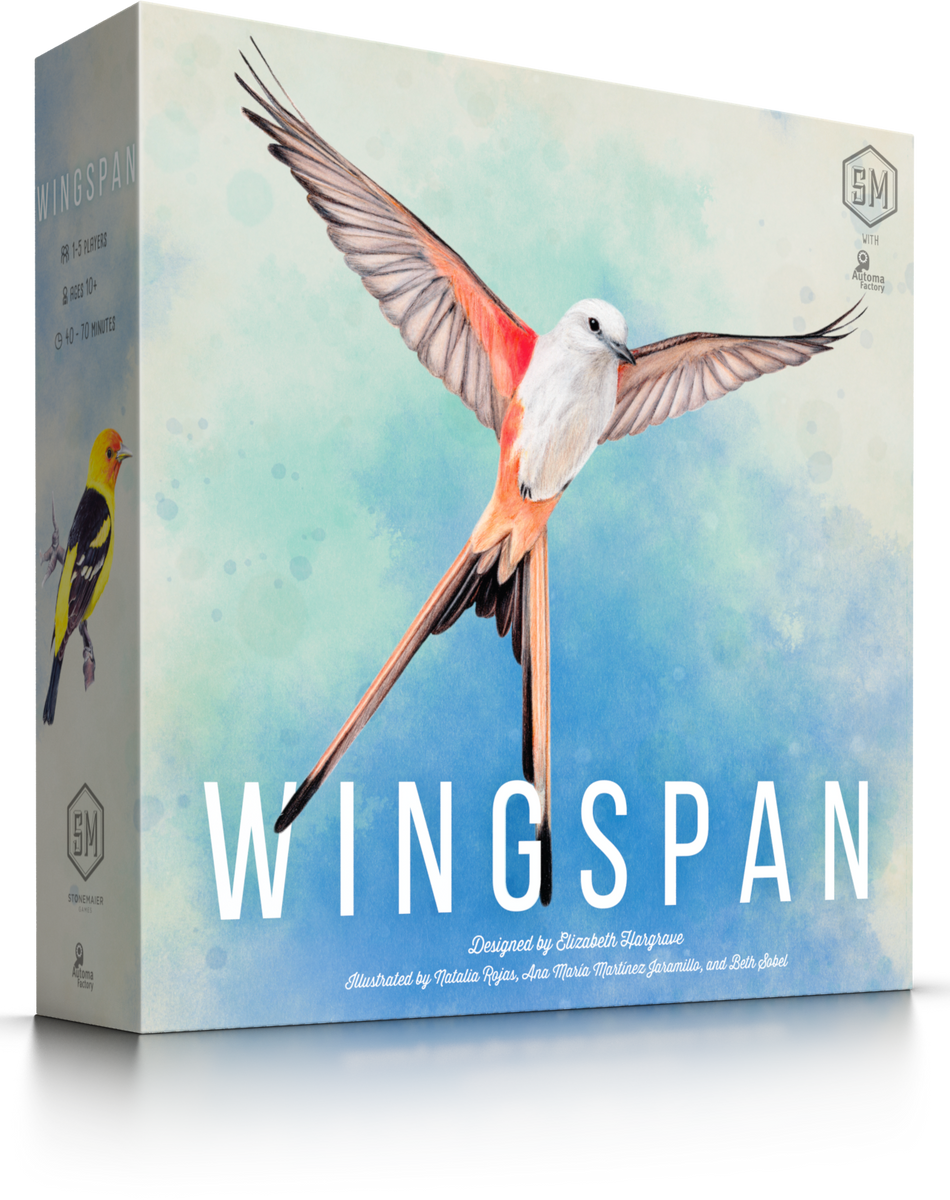
#2: Wingspan
Best for: Groups ready for a medium-weight card-driven game.
Players attract bird cards to habitats and build combinations across repeated actions.
- Why it earns a place: It fills a distinct role in a group whose players may have different comfort levels with modern games.
- Consider first: It asks more of new players than the lighter games in this guide, even with the included swift-start material.
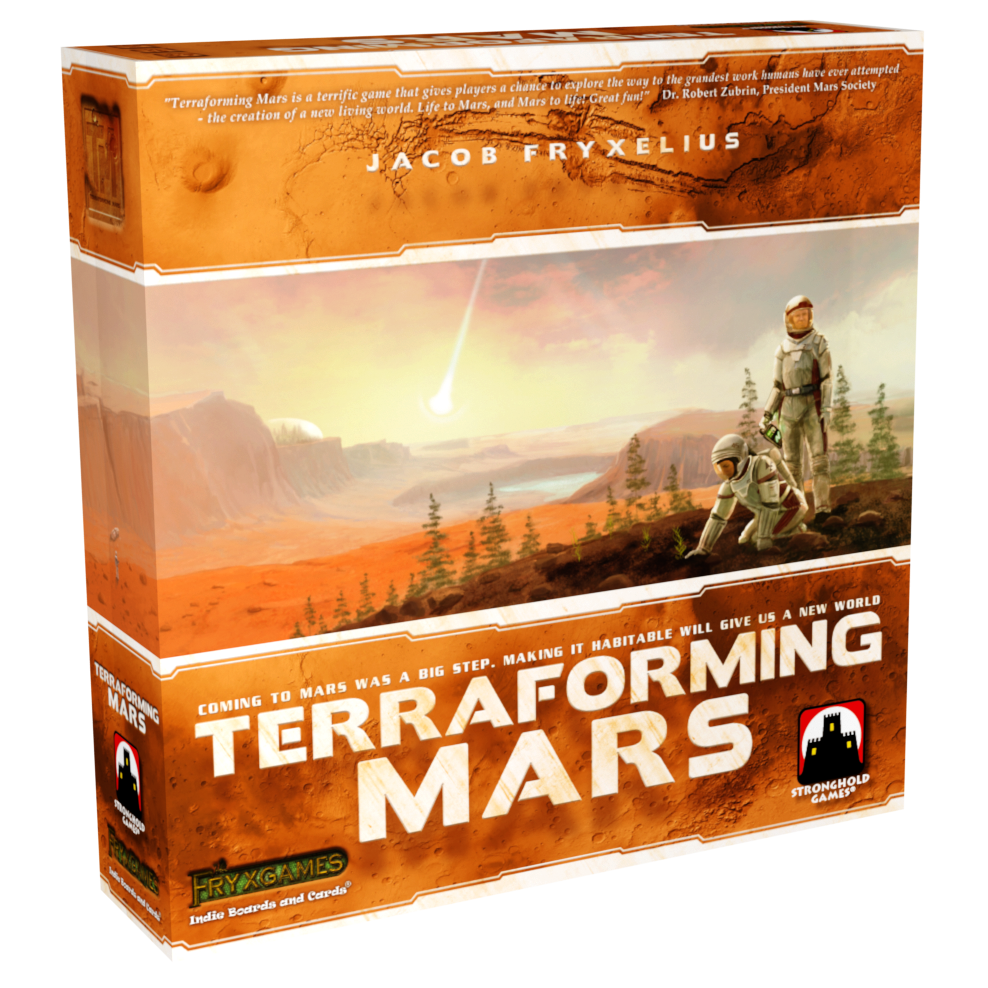
#1: Terraforming Mars
Best for: Experienced groups that want a longer strategic centerpiece.
Players lead corporations, develop projects, and contribute to shared planetary parameters while building their own engines.
- Why it earns a place: It fills a distinct role in a group whose players may have different comfort levels with modern games.
- Consider first: Its longer session and larger rules load make it a poor fit for a quick or very casual night.
Frequently asked questions
Which game is easiest to introduce to a mixed group?
Codenames, Azul, Cascadia, and Carcassonne each provide a relatively clear turn structure, but the right choice depends on whether your group prefers words, patterns, or a shared map.
Which picks are cooperative?
Pandemic is the fully cooperative option in this ranking. Codenames uses teams, while the others are primarily competitive.
Which choices suit a longer strategy session?
Wingspan and Terraforming Mars ask for more rules attention and reward groups that want to build combinations over a longer arc.
Were prices, reviews, or hands-on testing used?
No. The comparison uses current manufacturer documentation and editorial fit for different game-night needs. Marketplace prices, ratings, reviews, and availability are intentionally omitted.
Build the night around the people at the table
Start with the desired mood, confirm the player count and time, then pick the rules weight. That simple order gives newcomers a fair entry point without leaving experienced players with nothing to think about.